
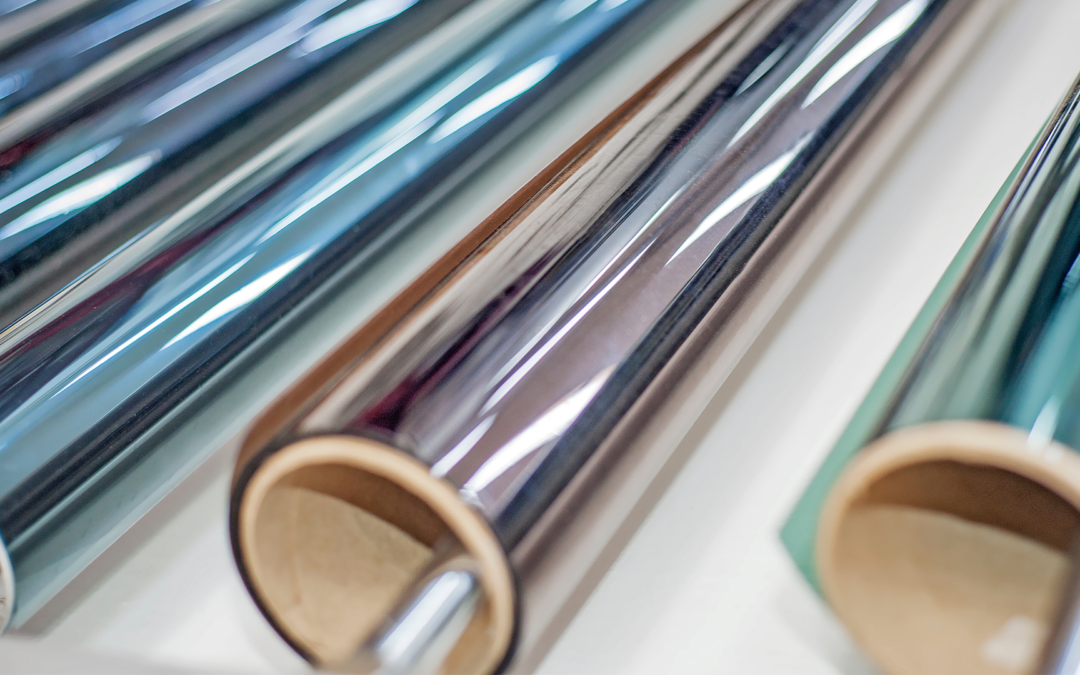
If certain rooms in your home feel too hot in the afternoon, your TV gets washed out by glare, or your floors and furniture are fading, window film can be a smart solution — but only if you choose the right type for the right goal. Many homeowners researching types of window tint quickly realize residential window film isn’t one-size-fits-all.
Some films are designed to reduce heat and glare, others add privacy, and some improve safety or appearance. Choosing the correct category matters more than choosing how dark the glass looks. This guide explains the main window tint types for homes, what each one actually does, and how to decide which option fits your situation.
Quick Answer: Types of Window Tint for Homes
There are several main types of window tint for homes: solar control film (heat and glare reduction), reflective privacy film (daytime privacy), frosted or decorative film (constant privacy and style), ceramic film (heat reduction with natural light), and safety/security film (holds glass together). The best choice depends on your comfort, privacy, or safety goal.
What Window Tint Actually Does for a Home
In residential settings, “window tint” usually refers to architectural window film applied to existing glass, not a replacement for the window itself.
Window film can help with:
- Rooms overheating in direct sunlight
- Glare on TVs, monitors, and phones
- Furniture and floor fading from UV exposure
- Daytime privacy concerns
- Safety concerns with large glass areas
Reality check:
Window film improves how glass performs, but it does not replace window defects.
It will not:
- Stop drafts or air leaks
- Fix broken seals or condensation between panes
- Replace insulation
- Work the same on every window
Results vary depending on window direction, glass type, and sun exposure. In old homes, insulation improvements may be needed instead.
Different Types of Window Tint (and What They Actually Do)
There are several different types of tint used in homes, and each one is designed to solve a specific problem, such as heat, glare, privacy, or safety. Understanding the purpose of each option helps you choose the right film instead of selecting based only on how dark the glass looks.
Solar / Heat Control Film
Best for: Hot rooms, west-facing windows, screen glare
What problem it solves: Excess heat and brightness from sunlight
Why it works: Filters portions of solar energy entering the glass
Typical locations: Living rooms, sunrooms, large windows
This is the most common residential film. It reduces glare and heat while keeping the room relatively bright, which is why it’s often called heat rejection window film.
One-Way / Reflective Privacy Window Film
Best for: Street-facing windows where you want daytime privacy
What problem it solves: People seeing into your home during the day
Why it works: Reflects exterior light when outside is brighter than inside
Typical locations: Front windows, living rooms, offices
Important:
At night, interior lighting reverses the effect and visibility can return. This is normal behavior for reflective films.
Frosted / Obscure Window Film
Best for: Spaces needing consistent privacy
What problem it solves: Permanent visibility through glass
Why it works: Diffuses light rather than reflecting it
Typical locations: Bathrooms, entry glass, sidelights, interior doors
Unlike reflective film, frosted film provides privacy day and night, but you cannot clearly see through it.
Decorative Glass Film
Best for: Style and light diffusion
What problem it solves: Appearance and partial privacy
Why it works: Adds patterns, gradients, or frosted designs
Typical locations: Doors, office rooms, accent glass
Decorative films are mainly aesthetic and provide limited heat reduction. Decorative styles can include etched glass window film, fluted glass film, colored window film, or other patterned designs that mimic specialty glass without replacing the window.
Ceramic Window Tint for Home
Best for: Heat reduction without darkening rooms
What problem it solves: Sun heat while maintaining natural light
Why it works: Filters infrared heat more selectively
Typical locations: Living spaces where brightness matters
These films are often used as an energy-efficient window film option because they improve comfort without significantly darkening the space.
Safety & Home Security Film
Best for: Safety concerns or large glass areas
What problem it solves: Shattered glass hazards and forced entry delay
Why it works: Holds broken glass together upon impact
Typical locations: Doors, ground-floor windows, large panes
It does not make glass unbreakable, but it can slow entry and reduce flying shards.
Side-by-Side Overview
The comparison below helps simplify the different kinds of tint so you can quickly match the film to your goal.
| Type | Main Goal | Privacy Level | Heat Reduction | Typical Rooms |
| Solar / Heat-Control | Reduce heat & glare | Low | High | Living rooms |
| Reflective / One-Way | Daytime privacy | Medium (day) | Medium | Front windows |
| Frosted / Obscure | Full privacy | High | Low | Bathrooms |
| Decorative | Style & light diffusion | Medium | Low | Doors |
| Ceramic / Selective | Comfort + brightness | Low | Medium-High | Living areas |
| Security / Safety | Strengthen glass | None | None | Doors & large panes |
Simple Decision Guide: Which Window Tint Options Fit Your Home?
Match the problem to the film:
- Room gets hot → Solar or ceramic film
- Need daytime privacy but want the view → Reflective film
- Need privacy at night → Frosted/obscure film
- Want decorative style → Decorative film
- Concerned about breakage → Security film
Key takeaway:
The best tint depends on the goal, not the darkness.
If you’re unsure what category your window falls into, a quick evaluation usually clarifies it.
What to Expect: Limits, Lifespan, and When to Ask a Professional
What window film does NOT do
- Not total blackout
- Not guaranteed nighttime privacy (reflective)
- Not insulation replacement
- Not burglar-proof glass
Lifespan depends on
- Sun exposure
- Glass type
- Interior vs exterior installation
- Film quality and installation
Residential films often last many years when properly selected and installed.
Because window construction and sun direction affect performance, homeowners often benefit from a professional window film evaluation before choosing a film
FAQ – Types of Window Tint
What are the different types of window tint film?
Residential window tint includes solar control film, reflective privacy film, frosted or decorative film, ceramic heat-control film, and safety/security film. Each type is designed for a different purpose — comfort, privacy, appearance, or added glass safety.
What type of window tint is best for a home?
The best window tint depends on the problem: solar film for heat, reflective film for daytime privacy, frosted film for full privacy, ceramic film for comfort without darkening, and security film for safety.
What is house window tint called?
Residential window tint is typically called architectural window film. Unlike automotive tint, it is designed to manage sunlight, privacy, safety, or UV protection for homes.
Does window tint really reduce heat?
Yes. Solar and ceramic films can significantly reduce heat from direct sunlight.
What can I put on my windows so I can see out but nobody can see in?
Reflective (one-way) privacy film lets you see out while limiting visibility from outside during the day. At night the effect reverses, so frosted film works better for full-time privacy.
What is the most common window tint for homes?
Solar control film is the most commonly installed residential film because most homeowners are trying to reduce heat and glare in sun-exposed rooms.
What is the lifespan of solar window film?
Most professionally installed solar films last about 10–20 years depending on sun exposure and glass type.
Which type of window tint lasts the longest?
Ceramic and high-quality spectrally selective films typically last the longest because they resist UV and heat degradation better than decorative films.
Which window tint is the darkest?
Low-VLT solar and reflective films are typically the darkest because they block the most visible light. However, darker film doesn’t always mean better heat reduction. Modern ceramic films can stay lighter while still improving comfort.
What are the disadvantages of tinting house windows?
Window film can slightly reduce natural light, and some privacy films only work during the day. It also won’t fix drafts, insulation problems or failed window seals, which is why choosing the right film type matters.
Next Step: Get Help Choosing the Right Film
If you want help choosing the best film type for your home and confirming your windows are good candidates, Columbia Glass & Mirror can evaluate your windows and recommend options based on your goals and glass type.
-
How To Decide Between a Framed or Frameless Mirror
Are framed or unframed mirrors best for your home? Learn about the key differences between these ...
-
Six Signs Your Windows Need Replacement
Discover the top signs you need window replacement with expert tips from Columbia Glass & Mirror,...
-
What’s the Difference Between Tempered and Laminated Glass?
Learn about the laminated glass vs tempered glass differences with Columbia Glass & Mirror, your ...
-
8 Stunning Custom Glass Applications for Homes & Businesses
Explore 8 stunning custom glass applications for homes and businesses—from frameless showers to m...
-
Does Window Film Keep Cold Out? Act Before Winter Hits
Does window film keep cold out? Discover how it insulates your home, saves energy, and why Columb...