
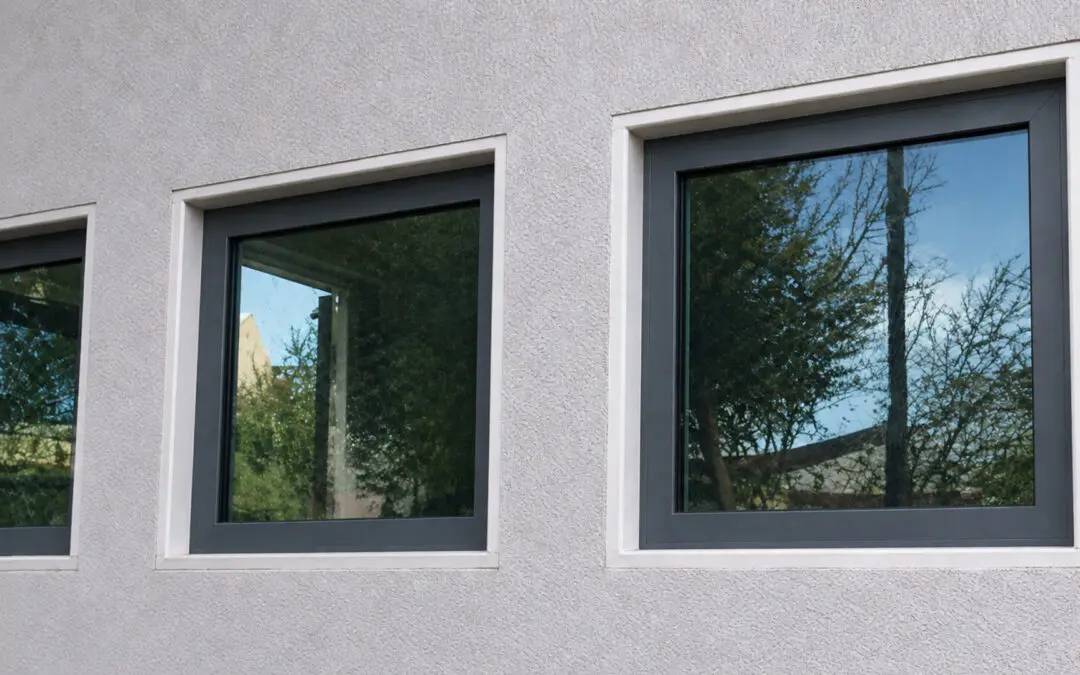
Most of the damage in an explosion isn’t caused by the blast wave itself. According to FEMA’s blast-design research, about 80% of injuries in an explosion come from flying glass. That’s the specific problem blast-resistant windows are built to solve, and it’s a big part of why the term keeps coming up in security consultations, insurance reviews, and board-level conversations about building safety.
What Makes a Window Blast-Resistant
Blast-resistant glass is made of multiple layers of glass bonded with strong interlayers, sometimes combined with materials like polycarbonate for extra flexibility. That layered structure is designed to crack under pressure without breaking apart completely. When the outer layer cracks, the interlayers keep the pieces bonded together instead of letting them separate and fly loose.
The glass is the most visible part, but the frame and how it’s anchored to the building play just as big a role. A strong pane of glass in a weak frame can still fail, so blast-resistant window systems get built and installed as one connected unit.
Blast-Resistant Glass or Shatter-Resistant Window Film: How to Choose
Shatter-resistant window film reinforces the surface of existing glass, which helps it hold together against everyday impacts, break-ins, and storms. It’s a strong, affordable option when the glass itself is the main concern. Blast-resistant glass goes further: the glass, the frame, and the anchoring are engineered together as one system, built to manage a pressure wave hitting the entire window opening at once, not just the glass surface.
That same distinction separates blast-resistant glass from bullet-resistant glass, which is engineered to stop a projectile rather than manage pressure. All three products protect glass during a security event, but each one is built for a different kind of force.
So which one fits your building? If the concern is break-ins, vandalism, or storm damage, shatter-resistant window film is usually enough. If your building faces meaningful explosion risk, whether from location, past incidents, or your industry, blast-resistant glass is the product built for that job.
Where Blast-Resistant Windows Are Typically Used
Blast-resistant windows show up most often in buildings where security is already a serious consideration: banks and financial institutions, government offices, courthouses, healthcare facilities, and schools. Higher-risk commercial buildings, especially ones in dense urban settings or occupying a sensitive location, use them too. Even within one of these buildings, protection often varies by area. A ground-floor lobby facing a public street usually needs more attention than an interior office on an upper floor.
That doesn’t mean blast-resistant windows are only for high-profile buildings. Plenty of ordinary commercial properties add this protection because of location, past security incidents, or requirements set by an insurer, a tenant, or a governing board. Some buildings only need it on certain sides or certain floors, depending on where the risk is coming from. The building’s risk level drives that decision more than its type or profile.
Do You Actually Need Blast-Resistant Windows?
Whether blast-resistant windows make sense for your building depends on your location, how the building is used, your existing security measures, and whatever specific concern led you to look into this in the first place.
A professional evaluation is the fastest way to get a clear answer instead of guessing, and it doesn’t have to start as a big commitment. It usually starts with a conversation about your building’s location and layout, how many people typically occupy the space, what’s nearby, and what other security measures are already in place. From there, those factors point toward the right fit, whether that’s blast-resistant glass, a different security glass option, or a combination of both.
Not Sure If Your Building Needs Blast-Resistant Windows?
A professional evaluation can help determine whether blast-resistant glass fits your building’s actual security needs or whether another glass solution is a better fit. Businesses, property managers, and facility decision-makers in Columbia, Jefferson City, Lake of the Ozarks, and surrounding Mid-Missouri communities can work with Columbia Glass & Mirror to evaluate the right option for their space.
Contact Columbia Glass & Mirror at (573) 874-6985 to schedule a consultation.
-
How To Decide Between a Framed or Frameless Mirror
Are framed or unframed mirrors best for your home? Learn about the key differences between these ...
-
Six Signs Your Windows Need Replacement
Discover the top signs you need window replacement with expert tips from Columbia Glass & Mirror,...
-
What’s the Difference Between Tempered and Laminated Glass?
Learn about the laminated glass vs tempered glass differences with Columbia Glass & Mirror, your ...
-
8 Stunning Custom Glass Applications for Homes & Businesses
Explore 8 stunning custom glass applications for homes and businesses—from frameless showers to m...
-
Does Window Film Keep Cold Out? Act Before Winter Hits
Does window film keep cold out? Discover how it insulates your home, saves energy, and why Columb...